 Image 1 of 1


To give an attractive yolk colour, pigments extracted from marigold petals are added together with another compound which occurs naturally in the skins of oranges.
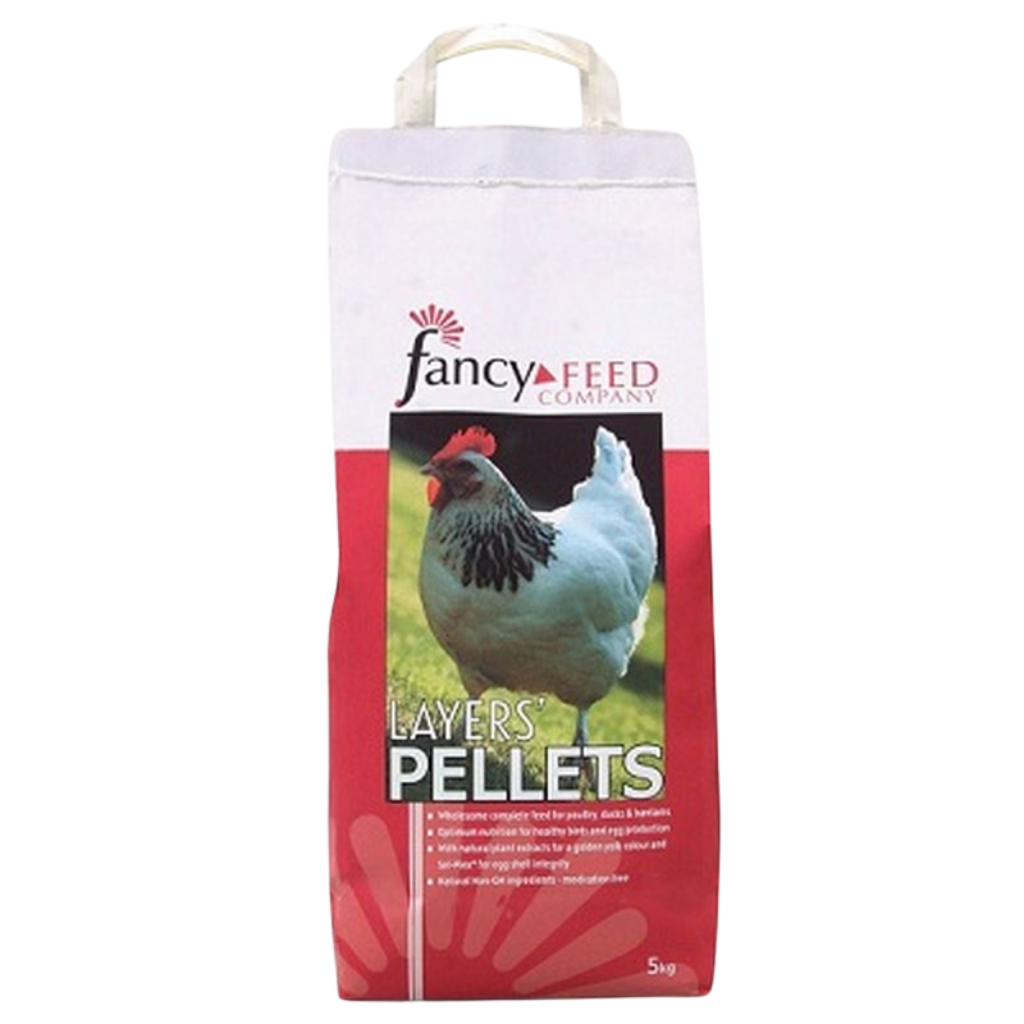
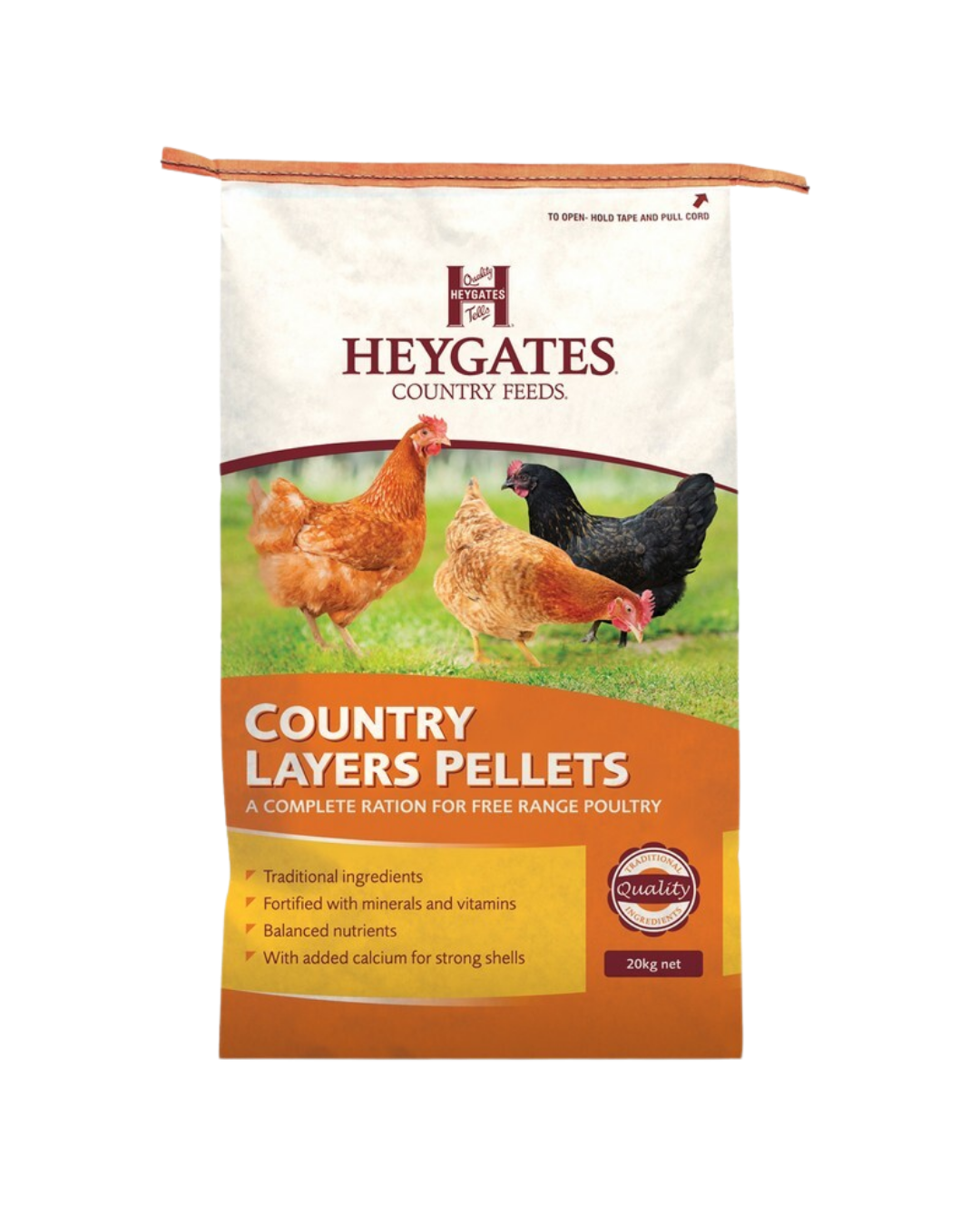
Country Layers should be fed ad lib to laying birds. A typical bird will eat between 130 and 140 grammes per day.
Advice - if mixed corn or wheat is to be fed then it should be in small quantities in the afternoon. Too much will reduce the bird's appetite for the layers pellets and they may not get enough protein, minerals and vitamins.
A constant supply of fresh water and grit should be provided also.
Ingredients
Yolk Pigmenters - The yolk colouring pigments added to Country Layers are Citrazanaxathin which occurs naturally in the skins of oranges and Lutein and Zeaxanthin which are produced from marigold petals.
Wheat - The Heygates mill at Bugbrooke is ideally situated on the edge of the main wheat growing area in East Anglia and wheat is also grown on Heygates' own farms. Only the best quality wheat is used in poultry feeds where it provides energy and protein.
Wheatfeed - Wheatfeed is made in the Heygates flour mills which are on the same site as the feed mill at Bugbrooke. When white flour is produced the highly nutritious outer layers of the wheat become wheatfeed. When the flour millers make wheatfeed to use in layers feeds they include the wheatgerm so your feed is full of wheatgerm goodness.
High Protein Soya Bean Meal - Oil is extracted from soya beans for industrial purposes and the remaining meal is a high protein animal feed. Soya Bean Meal is one of the best quality protein sources since it contains more of the essential amino acids than other cheaper alternatives.
Calcium Carbonate - This is simply a natural ground chalk product which provides essential calcium for strong eggshells.
Maize Germ Meal - After Maize oil is extracted from maize germ (for use in human foods such as margerine) the remaining meal is a valuable source of protein and energy for use in animal feeds.
Sunflower Seed Extract - Sunflowers are grown to produce cooking oil. After most of the oil has been extracted the rest of the seed provides a highly nutritious animal feed.
Vegetable Oil - A pure vegetable oil is added as a source of energy.
Dicalcium Phosphate - Dicalcium phosphate is made from rock phosphate and is a source of the essential mineral phosphorus.
Salt - Salt is added where necessary to balance the sodium content in the feed.
Sodium Bicarbonate - Sodium bicarbonate (just the same as baking powder!) is another source of digestible sodium which is essential for a healthy bird.
Methionine - Methionine is an essential amino acid. Amino acids are often referred to as “the building blocks of protein”.
You will probably have heard of methionine as a human food supplement and it is even more important in poultry nutrition. Methionine is associated with the bird’s ability to metabolise energy and directly affects egg quantity and size. In large commercial layers units it is one of the nutrients that can be varied through the life of the flock to optimise production.
Methionine occurs naturally at high levels in certain vegetables and seeds and Heygates carefully monitor the formulations of their layers diets to make sure that the levels are correct.
Vitamins and Minerals - The Heygates team of poultry nutritionists constantly monitor the raw materials being used and add a vitamin and mineral supplement to make sure that all the bird's requirements are met.
The target levels for the key nutrients are:
Vitamin A: 7500 iu per kg
Vitamin D3: 3000 iu per kg
Vitamin E 20 mg per kg
Copper: 15 mg per kg